
ljn
Comparisons
Compare Amazon Redshift and ClickHouse for modern analytics.
Written by
Armend Avdijaj
-
In the world of modern data warehousing, the conversation is shifting from "how much can we store?" to "how fast can we get answers?". For years, Amazon Redshift has been the default answer for AWS-centric organizations. It’s reliable, integrated, and familiar. But as data volumes explode and the demand for real-time analytics grows, a new challenger has emerged: ClickHouse.
ClickHouse has gained massive popularity for its blistering speed and efficiency, often serving as the backend for real-time observability and user-facing analytics platforms.
So, how do you choose? In this guide, we’ll compare Amazon Redshift and ClickHouse across architecture, performance, cost, and use cases to help you make the right decision for your data stack.
Figure 1. ClickHouse vs Redshift, Let’s go! (source)
1. Architecture & Deployment
Understanding the core architecture is key to understanding why these two systems perform so differently.
Analogy Time: Think of ClickHouse as a Speedboat and Amazon Redshift as an Aircraft Carrier. One is light, agile, and built for raw speed. The other is massive, feature-packed, and designed to carry a heavy operational load—but it takes a while to turn.
Amazon Redshift
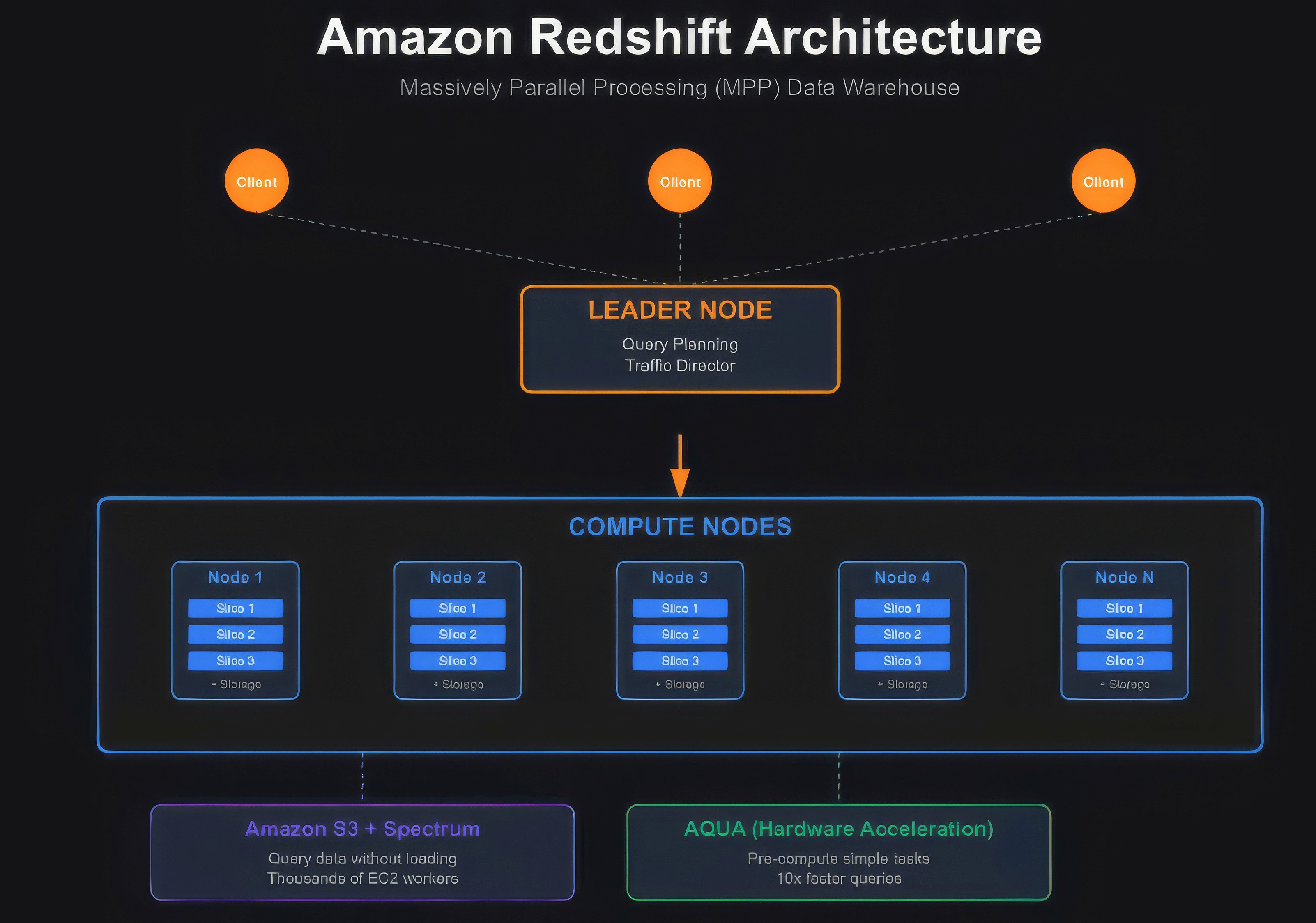
Figure 2. Amazon Redshift Architecture
(See the official Amazon Redshift System Overview for detailed architecture diagrams)
Redshift is a byproduct of Amazon's massive infrastructure. It's an MPP (Massively Parallel Processing) warehouse that has layers upon layers of optimization:
Leader & Compute Nodes: A leader node directs traffic, while compute nodes (and slices) do the heavy lifting.
Spectrum & AQUA: Redshift Spectrum offloads queries to managed Spectrum workers to scan S3 data without loading it into the cluster. It also uses hardware acceleration (AQUA) to pre-compute simple tasks.
Complexity: This makes it powerful but complex. It’s an ecosystem in a box.
ClickHouse
ClickHouse is an open-source, column-oriented DBMS designed efficiently for OLAP (Online Analytical Processing) queries.
Shared-Nothing Architecture: It allows for linear scalability.
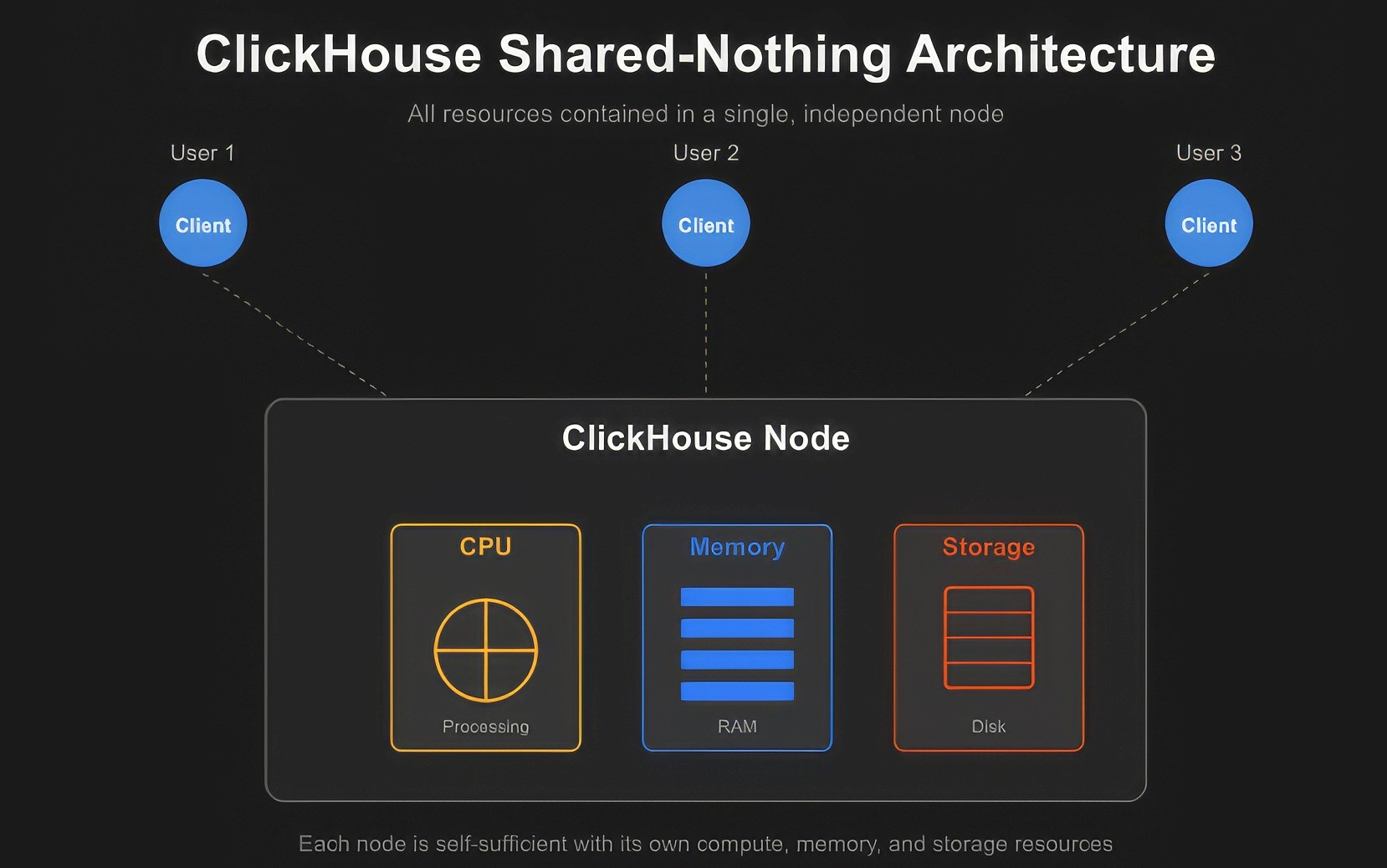
Figure 3. ClickHouse Shared Nothing Architecture (Everything in one Node)
Vectorized Execution: This is the "secret sauce". ClickHouse processes data in blocks (vectors) rather than row-by-row, allowing it to utilize modern CPU instruction sets (SIMD) to crunch billions of rows in milliseconds.
Deployment Flexibility: Unlike Redshift, which is AWS-only, ClickHouse runs anywhere: bare metal, Kubernetes, AWS, GCP, or via ClickHouse Cloud (serverless).
2. Performance & Workload
This is usually where the debate heats up.
Query Performance (and the Caveat)
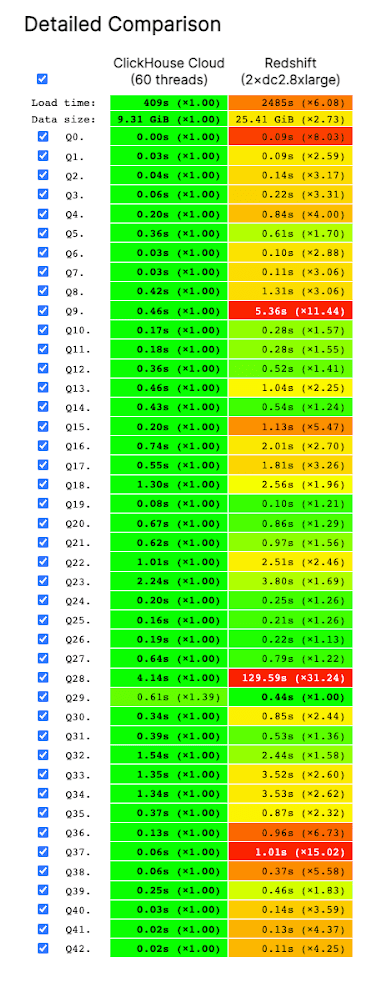
Figure 4. Query Benchmarks (source)
ClickHouse is generally undisputed in raw speed. Benchmarks consistently show it to be 2-5x faster than Redshift on similar hardware, as stated in this blog comparing them. However, there are a few things to keep in mind:
The Caveat: ClickHouse speed often comes from tuning. You might need to manually configure Materialized Views or indexes to get that insanity-mode performance.
Redshift's Approach: Redshift tries to automate optimization (e.g., AutoMV), which is easier for small teams but hits a ceiling faster.
The "First-Query" Tax
One annoyance with Redshift is that it compiles queries the first time they run. If you are building a user-facing dashboard where users generate random new queries constantly, they will feel this lag. ClickHouse just runs it.
Concurrency
Redshift: Supports Concurrency Scaling, which allows the system to serve thousands of requests per second with ease.
ClickHouse: Abundant. It is designed to handle thousands of concurrent queries, which is why companies like PostHog use it for user-facing analytics.
Real-Time Ingestion
ClickHouse excels at ingesting data. It can consume millions of rows per second from Kafka streams and make that data available for query immediately. Redshift typically prefers micro-batches (e.g., via Kinesis Firehose or COPY commands from S3), introducing a lag of minutes rather than seconds.
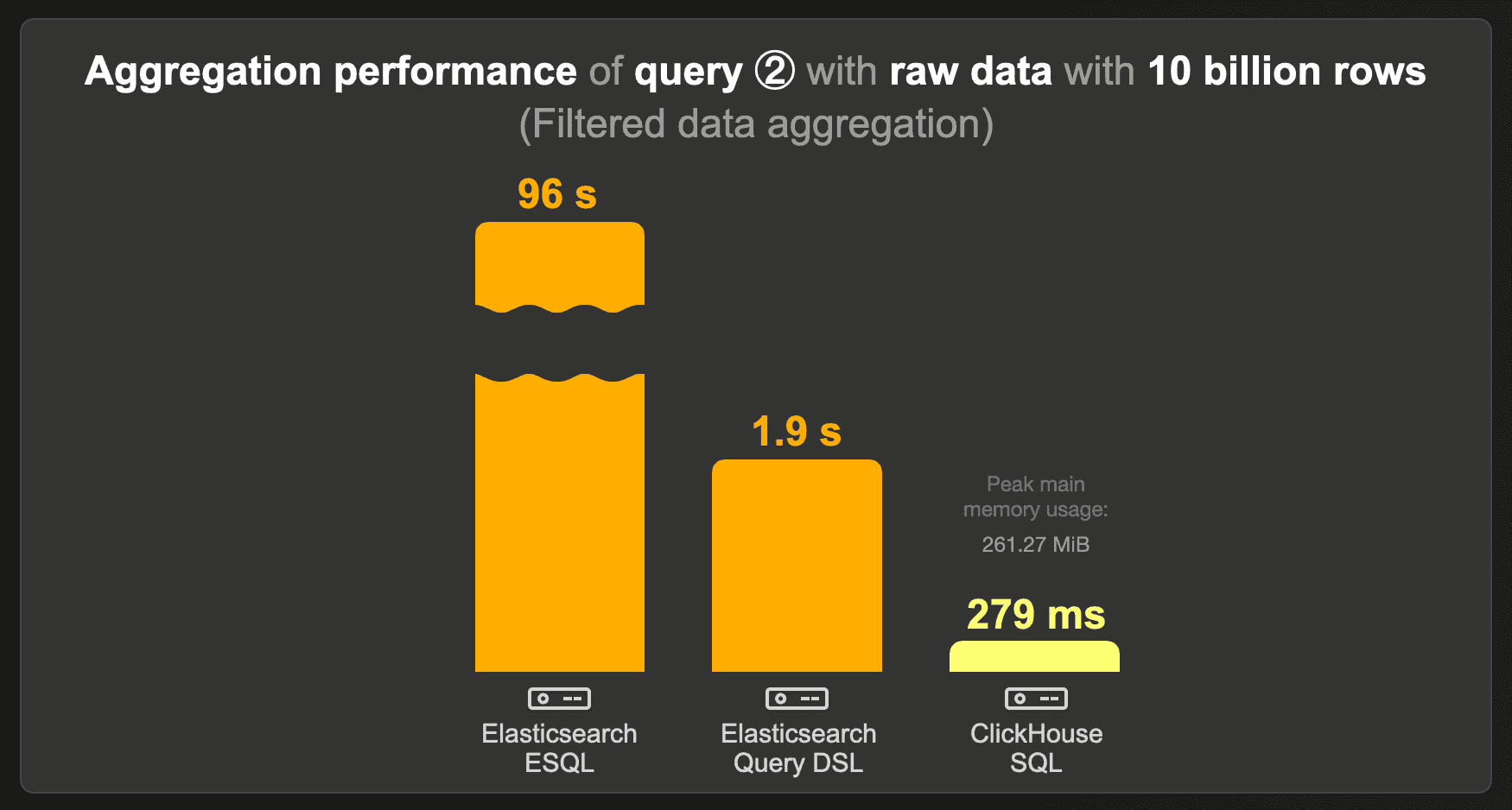
Figure 5. Here is a benchmark to give you an idea on how fast ClickHouse is!
3. Cost & Flexibility
Amazon Redshift
Pricing Model: You pay for the node type and hours running. With RA3, you pay separately for managed storage.
Cost Traps: While on-demand pricing is easy, it can get expensive quickly if you don't use Reserved Instances (RIs). Scaling up for a burst of activity requires resizing the cluster (or using Concurrency Scaling, which has its own costs).
ClickHouse
Efficiency: Because ClickHouse compresses data so well (often better than Redshift), your storage costs are lower. Because it executes queries faster, your compute time is lower.
Open Source: You can run it for "free" on your own EC2 instances if you want to manage it yourself.
ClickHouse Cloud: Offers a serverless model where distinct compute and storage scaling is automatic, often leading to a lower Total Cost of Ownership (TCO) for variable workloads.
4. Ecosystem & Operational Considerations
Redshift is the "easy button" for AWS shops.
Supports standard SQL (Postgres-compatible).
native integration with AWS Glue, Kinesis, QuickSight, and Ecosystem tools (dbt, Tableau, Looker).
ClickHouse requires a bit more architectural thought, though it's maturing rapidly.
Uses a SQL dialect that is mostly standard but has unique functions for arrays and analytics.
Incredible integration with streaming tools like Apache Kafka, Redpanda, and Glassflow.
Visualization often happens in Grafana, Superset, or custom apps.
5. Decision Guide: Which One to Choose?
Feature | Choose Amazon Redshift if... | Choose ClickHouse if... |
|---|---|---|
Primary Use Case | Traditional BI, Internal Reporting | Real-time Analytics, User-Facing Dashboards |
Data Latency | Minutes (Micro-batching) | Seconds/Milliseconds (Streaming) |
Engineering Effort | Low. "It just works" (mostly). Auto-optimized. | Medium/High. Requires tuning for max speed. |
Concurrency | Low (Internal teams < 50 users) | High (Thousands of end-users) |
Environment | AWS-only shop | Multi-cloud, Hybrid, or Kubernetes |
Summary
Stick with Redshift if you are building a traditional Enterprise Data Warehouse (EDW) for internal reporting, your data is already in AWS, and you don't have sub-second latency requirements.
Move to ClickHouse if you are building a data product, need real-time observability, need to reduce costs on massive log data, or require high concurrency for user-facing applications.
Conclusion
The market is moving towards real-time. While Redshift remains a powerful tool for static reporting, ClickHouse represents the modern standard for fast, efficient, and scalable analytics. Often, the best architecture involves both: Redshift for the comprehensive "cold" storage and reporting, and ClickHouse for the high-speed "hot" analytics layer.
References
This article was inspired by and references the following resources:
Further Reading
Ready to make the switch? Check out our guide on how to migrate your data effectively:
https://www.glassflow.dev/blog/migrating-from-redshift-to-clickhouse
Did you like this article? Share it!
You might also like
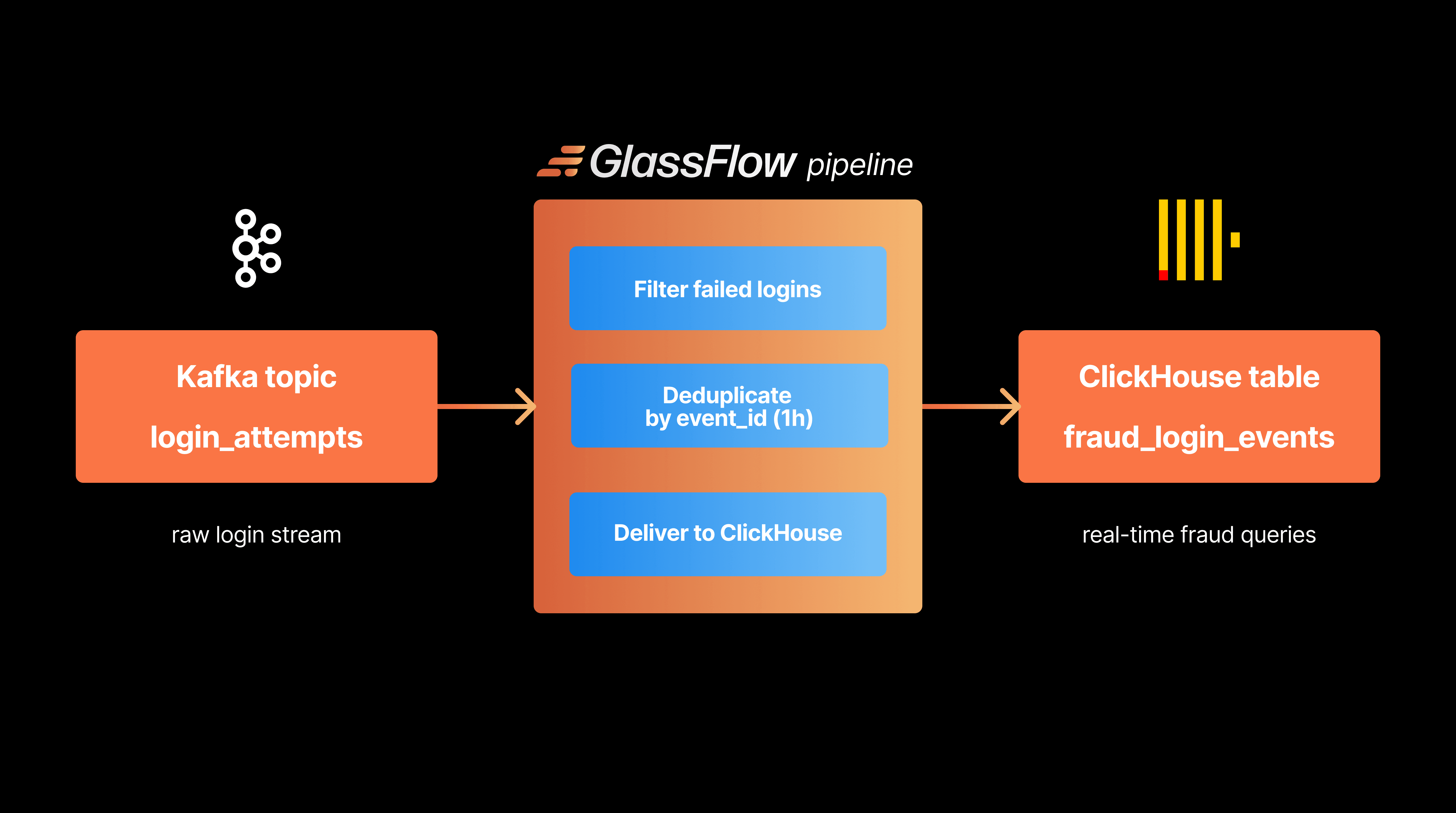
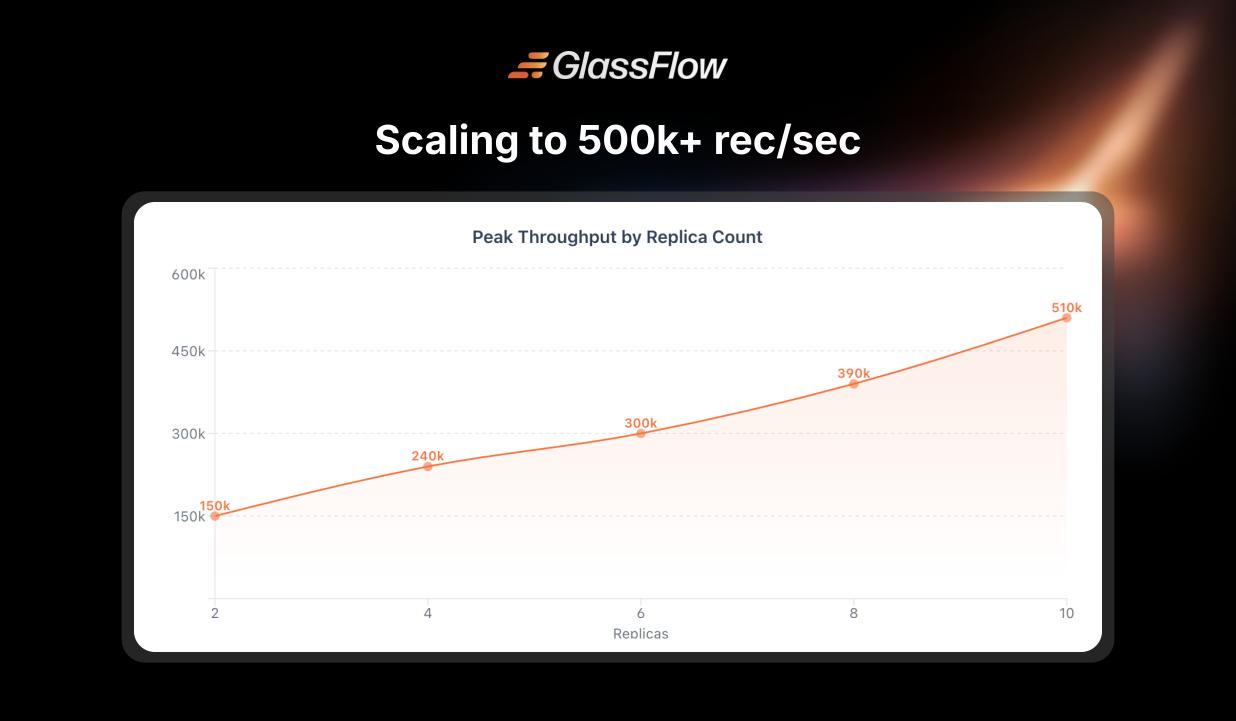
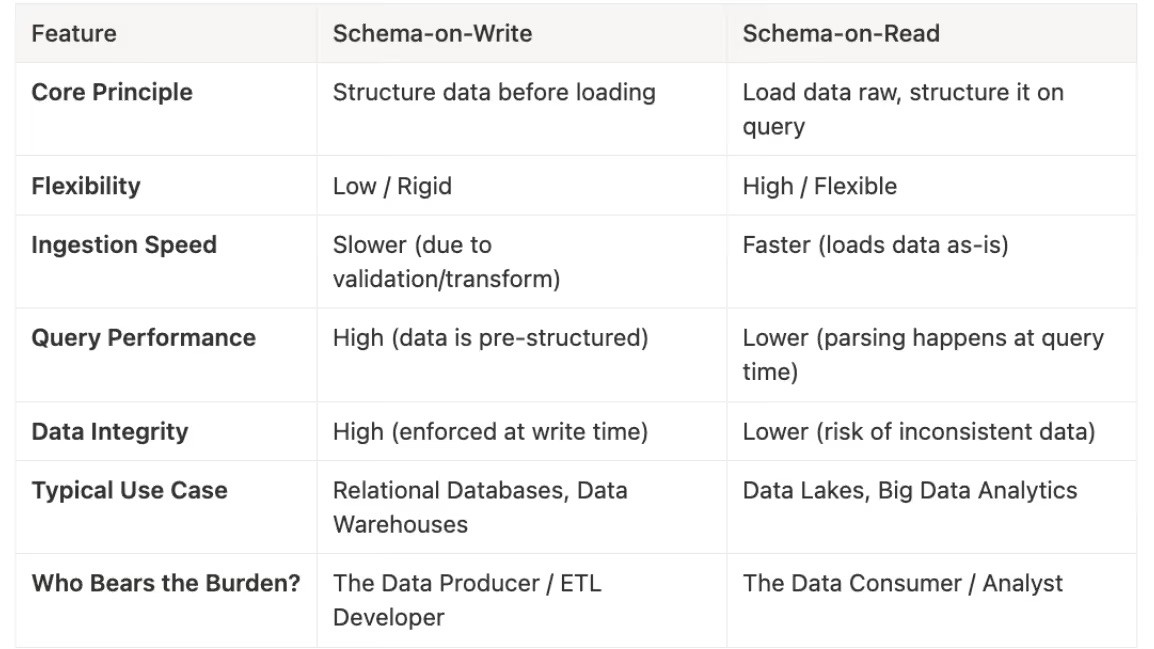

Data transformations at TB scale for ClickHouse
Get query ready data, lower ClickHouse load, and reliable pipelines at enterprise scale.
